
The idea of a walk in Japan had been discussed for many years by Ben McInerny and me. Our occasional research hadn’t turned anything up that we were looking for. The Kumano Kodo and Japanese Alps seemed to provide for walks of about four days length and we were wanting something longer in order to make an overseas trip more worthwhile. Googling turned up endless brief videos and articles by ‘influencers’ who had been paid or supported to do short walks with their gear transported etc. Not the ABW style at all.
Eventually I happened upon a You Tube video of the Shikoku 88 Pilgrimage Trail.
Exciting!! A 1200 kilometre trail that takes you through forest, rural areas, villages and towns while visiting 88 Buddhist temples associated with the monk Kobo Daishi who is said to have founded the Shingon School of Buddhism in Japan in the Ninth Century. The video discussed accommodation options, food, public transport and is a useful introduction to planning such a walk. The video is over two and a half hours long but never having been to Japan before and wanting to go for a long time, I found it useful and inspiring.
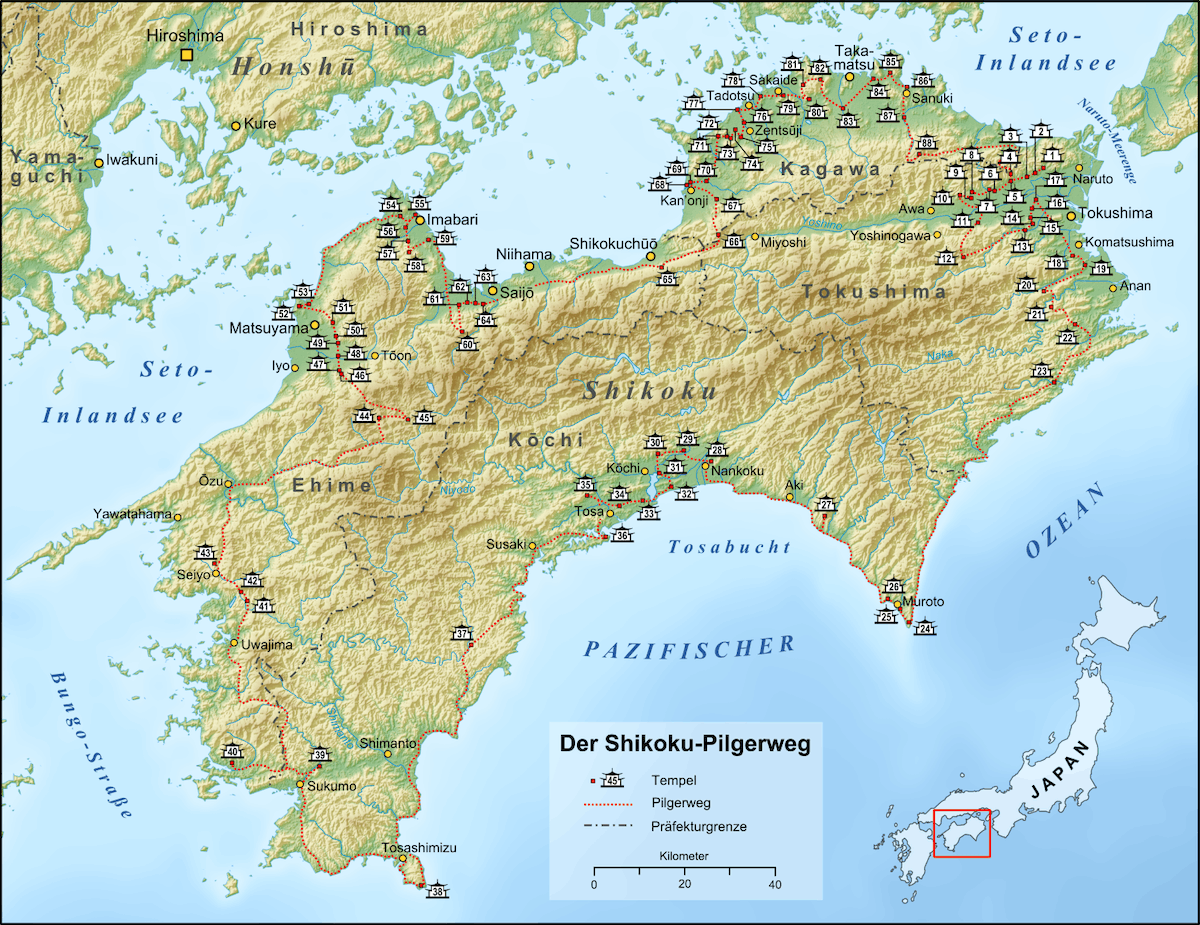

Shikoku Pilgrimage Trail with numbered temples. Naruto and Temple 1 can be found at the north east corner
So I am hoping this article will give you a sense of the part of the walk we did and some useful leads for your own planning. Thank you to Kerry, Ben and Scott for coming on a walk that we had had no prior experience of.
Shikoku is the smallest and least populated of the four main Japanese islands, the others being Honshu, Kyushu and Hokkaido, and is easily accessed by train or bus from Osaka, the nearest international airport. The pilgrimage is 1200km and takes 42-55 days depending on pace and side trips. There are plenty of sights like castles, markets, view points, beaches, non related Buddhist and Shinto shrines to visit along the way.
We set aside three weeks for the trip with two weeks of walking planned bookended by a few days in Osaka at the beginning and Kyoto at the end. We flew Adelaide-Cairns-Osaka and return. We planned to walk the first quarter of the pilgrimage visiting the first 27 temples. While it is said that it doesn’t matter where you start, the temples are numbered 1-88 (they all have names as well) and most people seem to start at Temple 1 where you can buy pilgrim ‘regalia’. We had a two and a half hour bus trip from Namba Osaka to Naruto Nishi a highway bus stop. There are plenty of options for this and tickets are booked on line or bought at the station. We walked the 1km to Temple 1 stopping for lunch in a local Udon restaurant along the way. Our accommodation was near the temple.
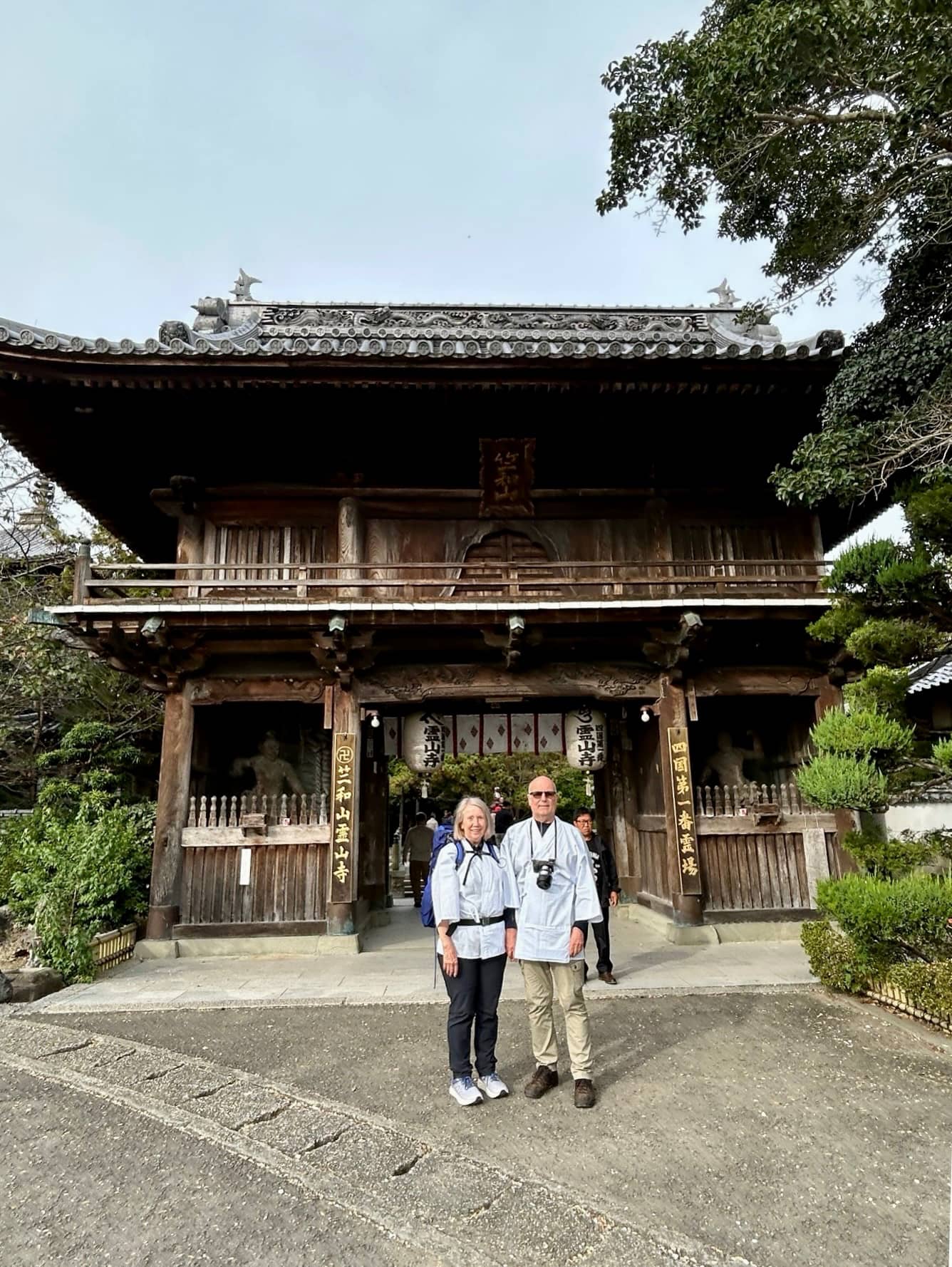
The first consideration is to think through how you’ll respectfully approach this 1200 year old Buddhist pilgrimage that is primarily aimed at practicing Buddhists. Buddhists travel the route visiting the 88 temples undertaking religious observance and ritual. These days Japanese often do it by car, public transport, and tours. Many continue to do it on foot though, and most tourists do.
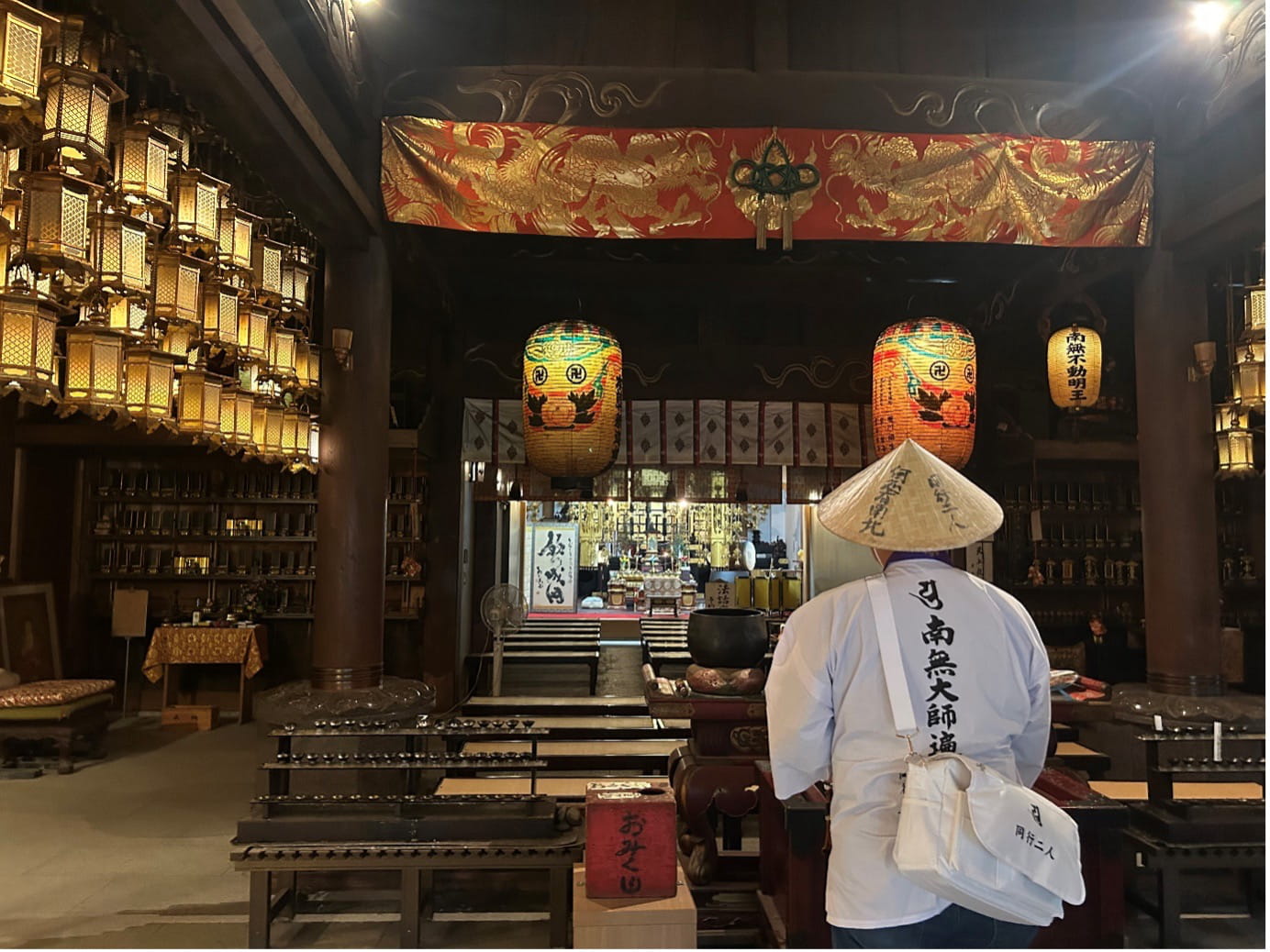
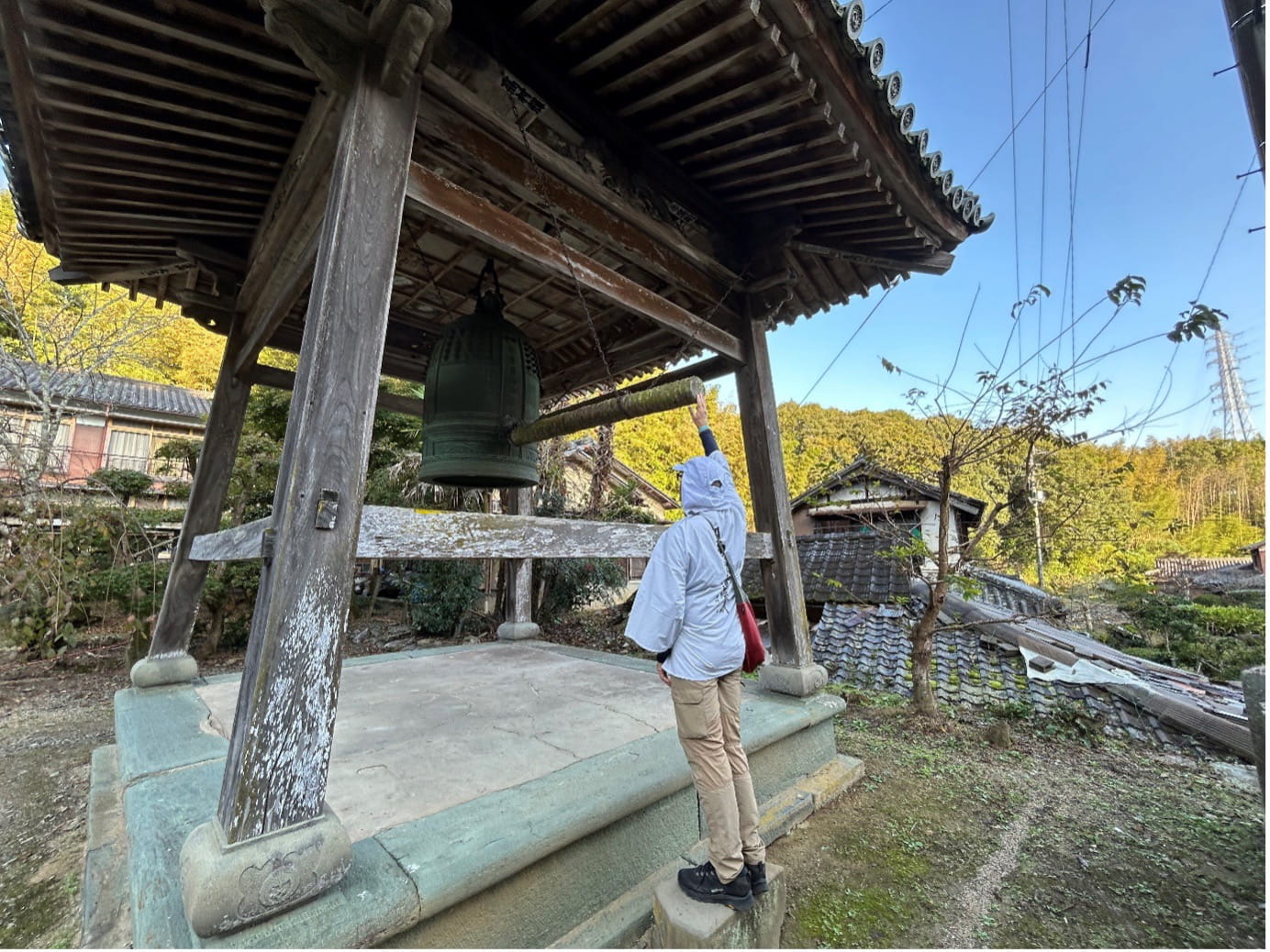
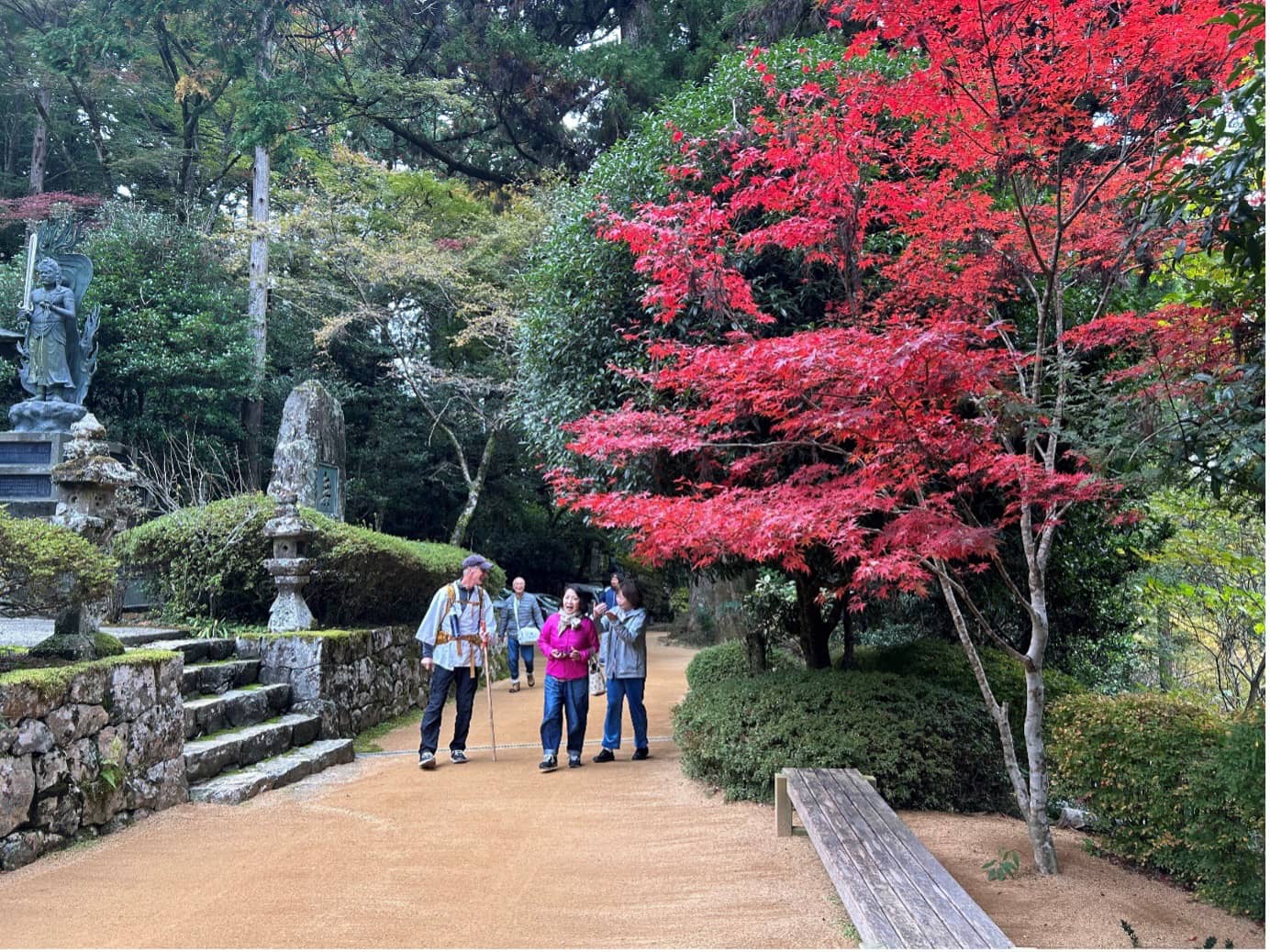
We bought the white smock usually worn by the pilgrim and resolved to observe the temple entrance ritual of bowing, cleaning hands and mouth with water, and ringing the big brass bell. It’s all well explained in the literature and you often observe pilgrims doing it so it’s easy to fall in with that.
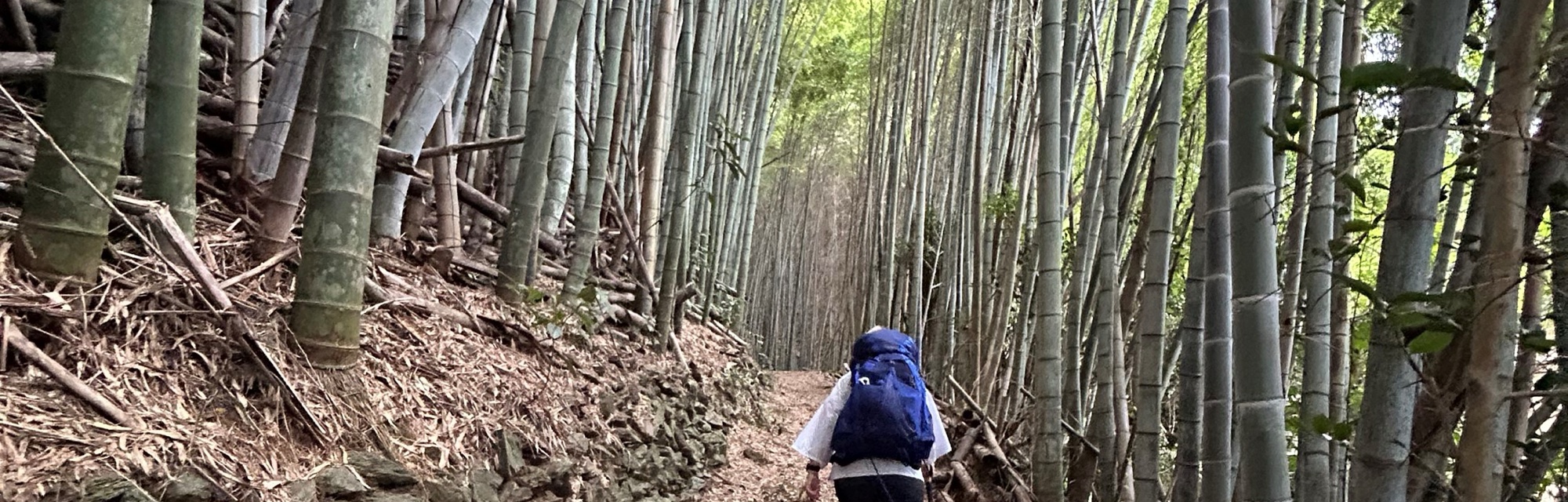
Secondly, this is not a typical ABW wilderness walk, is it for you? 80% of it is on pavement through towns, villages and rural areas. As a first time visitor to Japan I found this fascinating. Old and new traditional architecture, homes, traditional topiary front gardens, farmhouses, cafes and food along the way. The 20% through forest was lovely: bamboo forest, deciduous forest, pine forest, hills, everything ABW loves! Then the temples of course, 27 in fourteen days, sometimes 4 a day other times just one. It’s a lot of temples.
The Walk
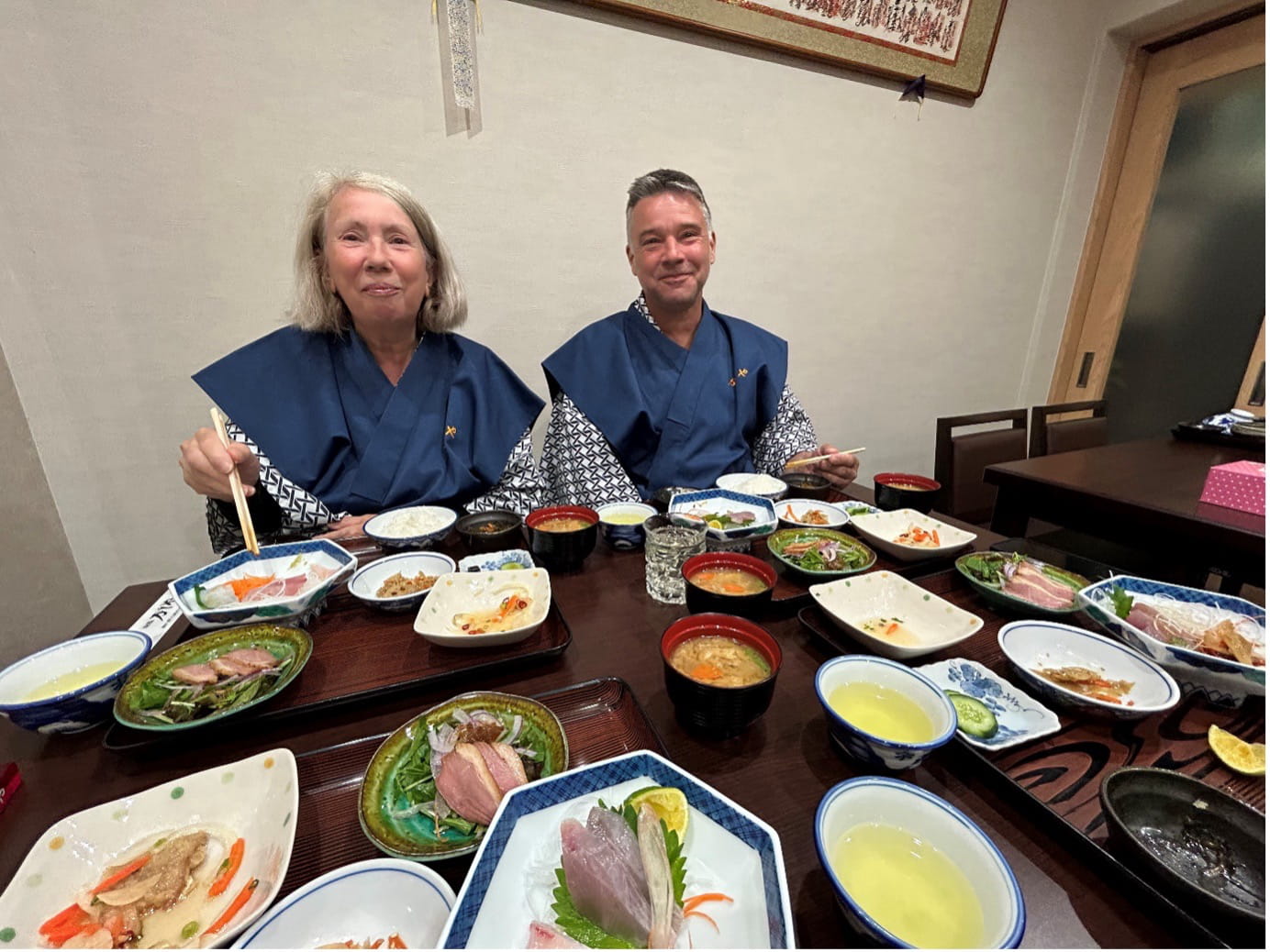
I planned 14 days of walking staying in a variety of hotels, traditional guest houses and Minshukus (B&B). This included a rest day in one of the main towns, Tokushima. On arrival from Osaka we had lunch, went to the temple shop, visited the temple and then checked into our accommodation for the first night. It was a more upscale traditional guest house where you slept on a futon on the floor. We had a traditional 8 course dinner!
The next day was 18km through the outer suburbs and semi rural area of Tokushima. We visited temples 2-7 and stayed in a hotel attached to temple 7. We encountered both old and new homes in traditional architecture. Some obviously prosperous farm houses but also abandoned and dilapidated ones. Shikoku is said to be experiencing population decline even though it provides the Osaka-Kobe urban region with a lot of food. There were ripening persimmons everywhere, marigold flowers and some abandoned fields. Many families clearly took pride in their gardens which featured ornate topiary. The temples were ornate and usually beautifully landscaped.
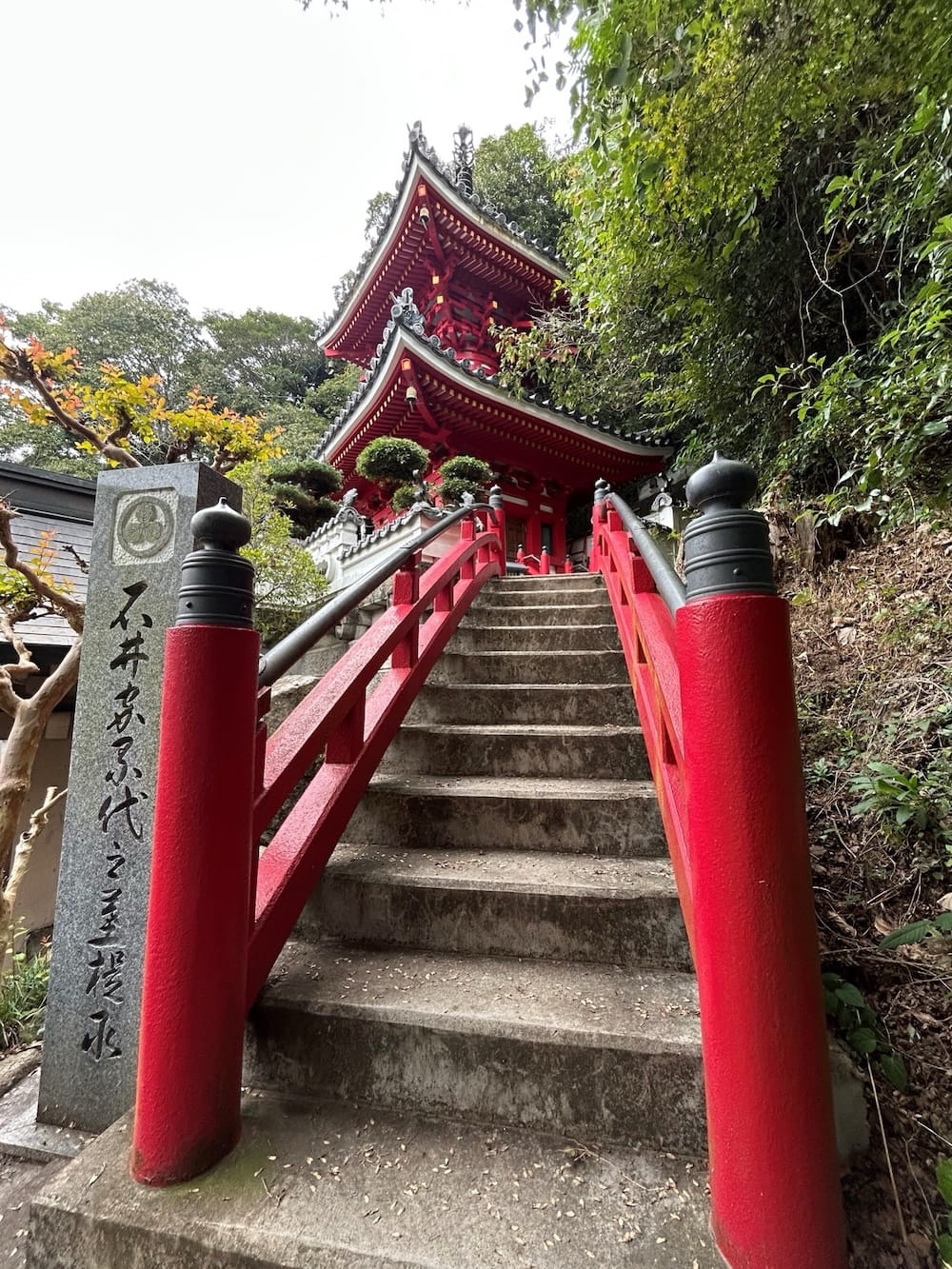
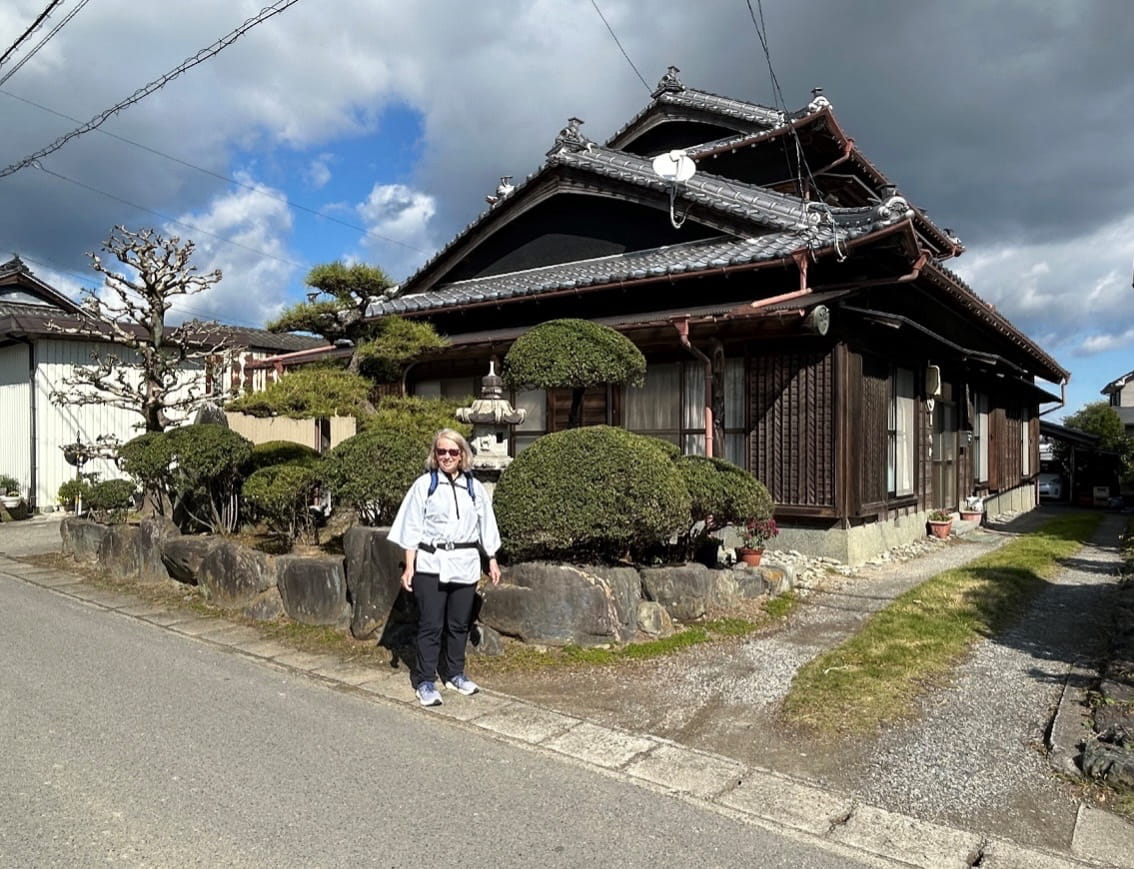
Our second day of walking was also 18km through a semi rural area of farms and hamlets. Lunch was often bought at a 7-11 or some sort of ‘Family Mart’. Sushi, sandwiches and other Japanese snacks were usually available. We visited temples 8-10; while all different you encountered lovely, landscaped gardens and ornate statutory.
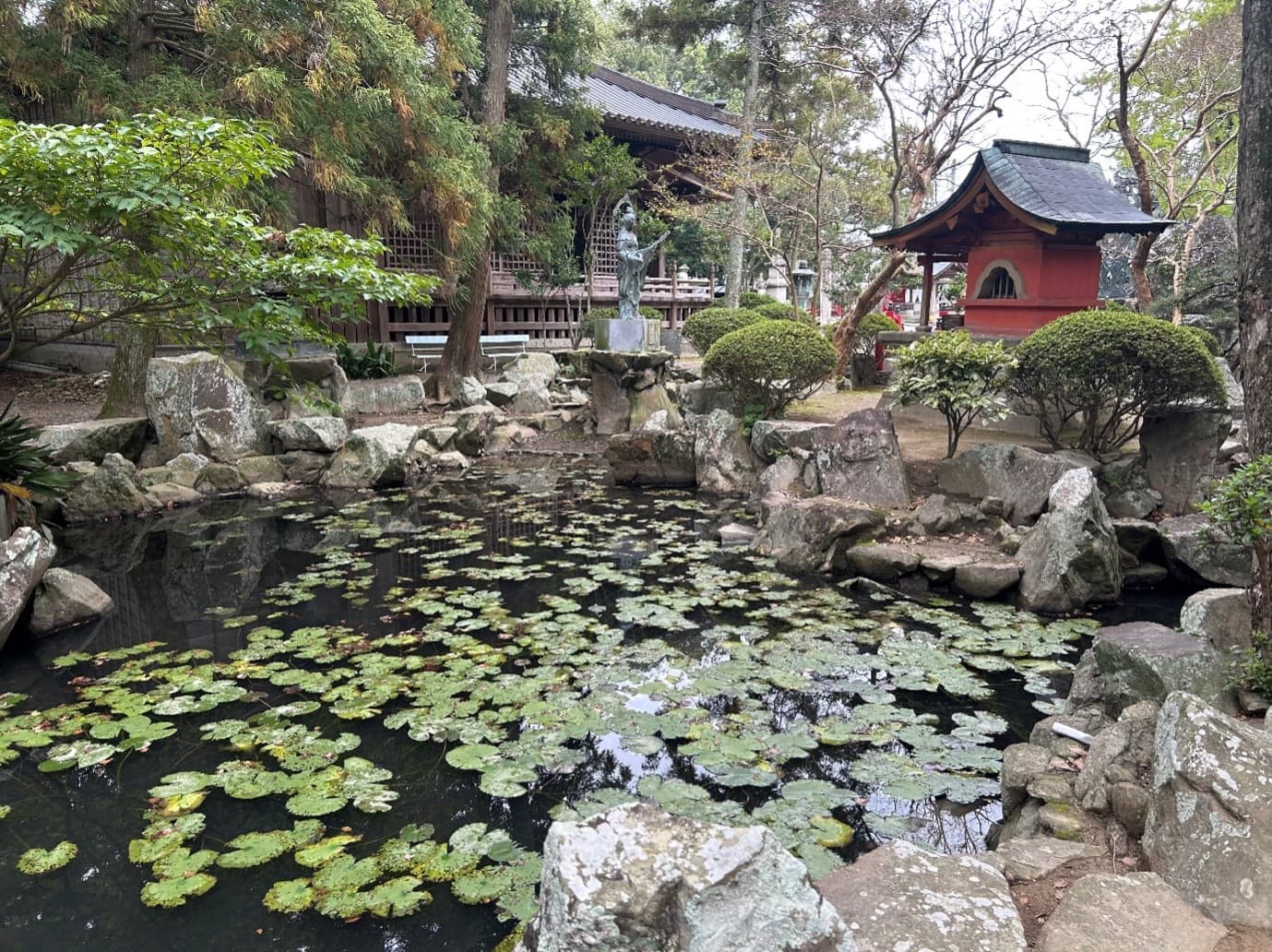
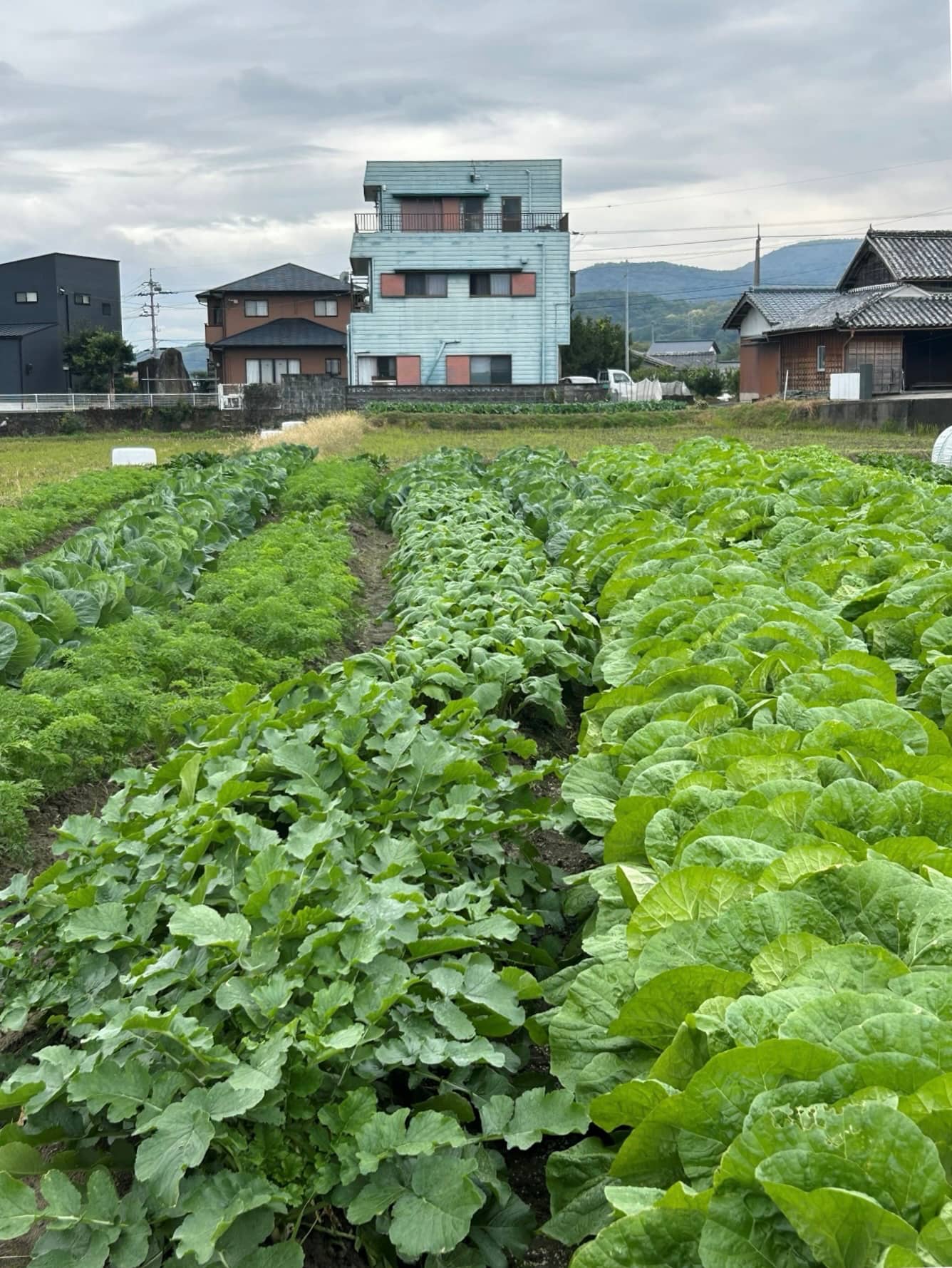
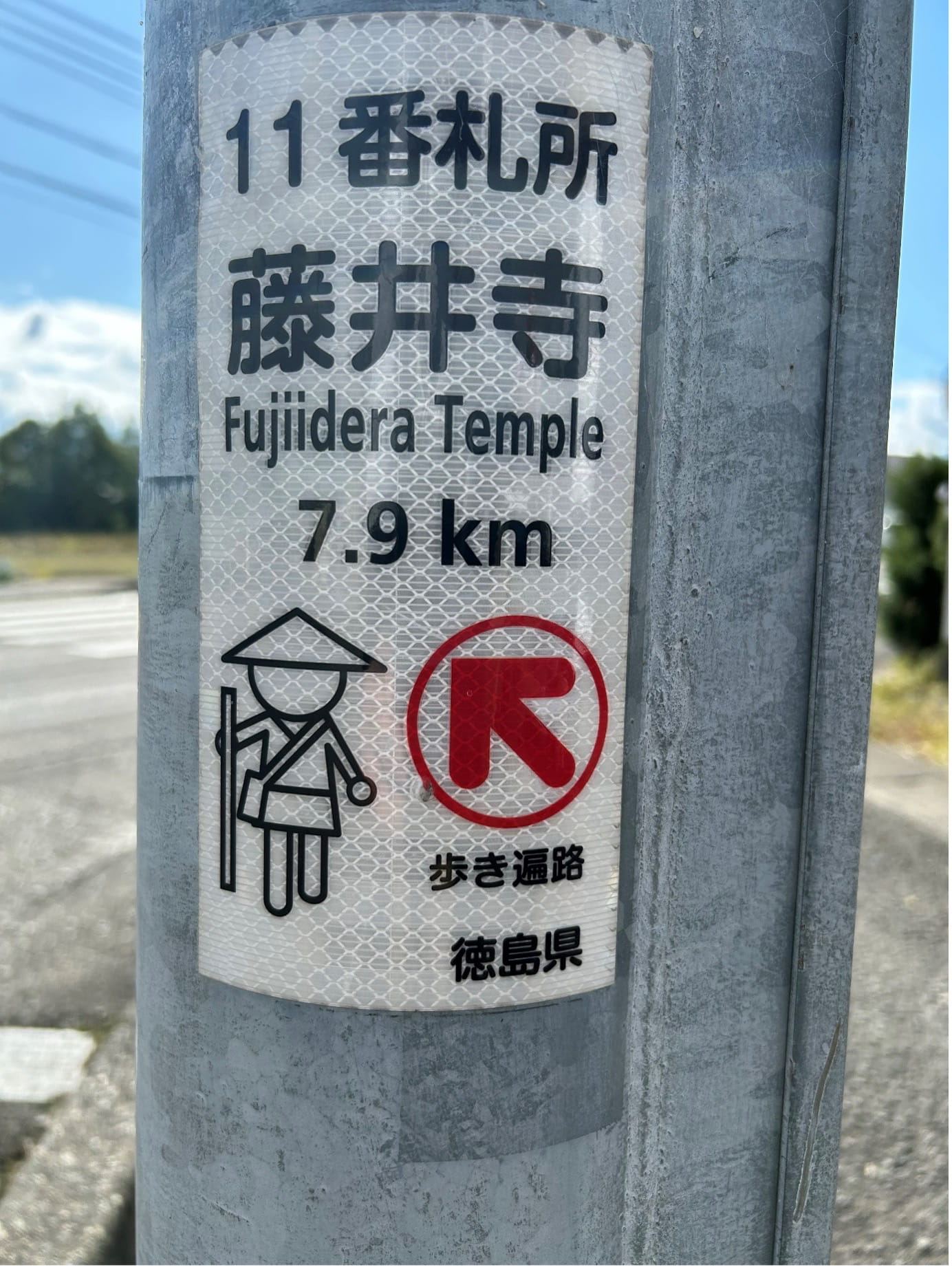
The third day of walking is often described as the hardest of the pilgrimage. 16km with 1200m of ascent through lovely forest is a nice break from the rural areas. You begin with temple 11 in the morning and end the day at temple 12 perched on top of the hills. It’s then a downhill walk to the accommodation in a small rural hamlet. A wonderful day!
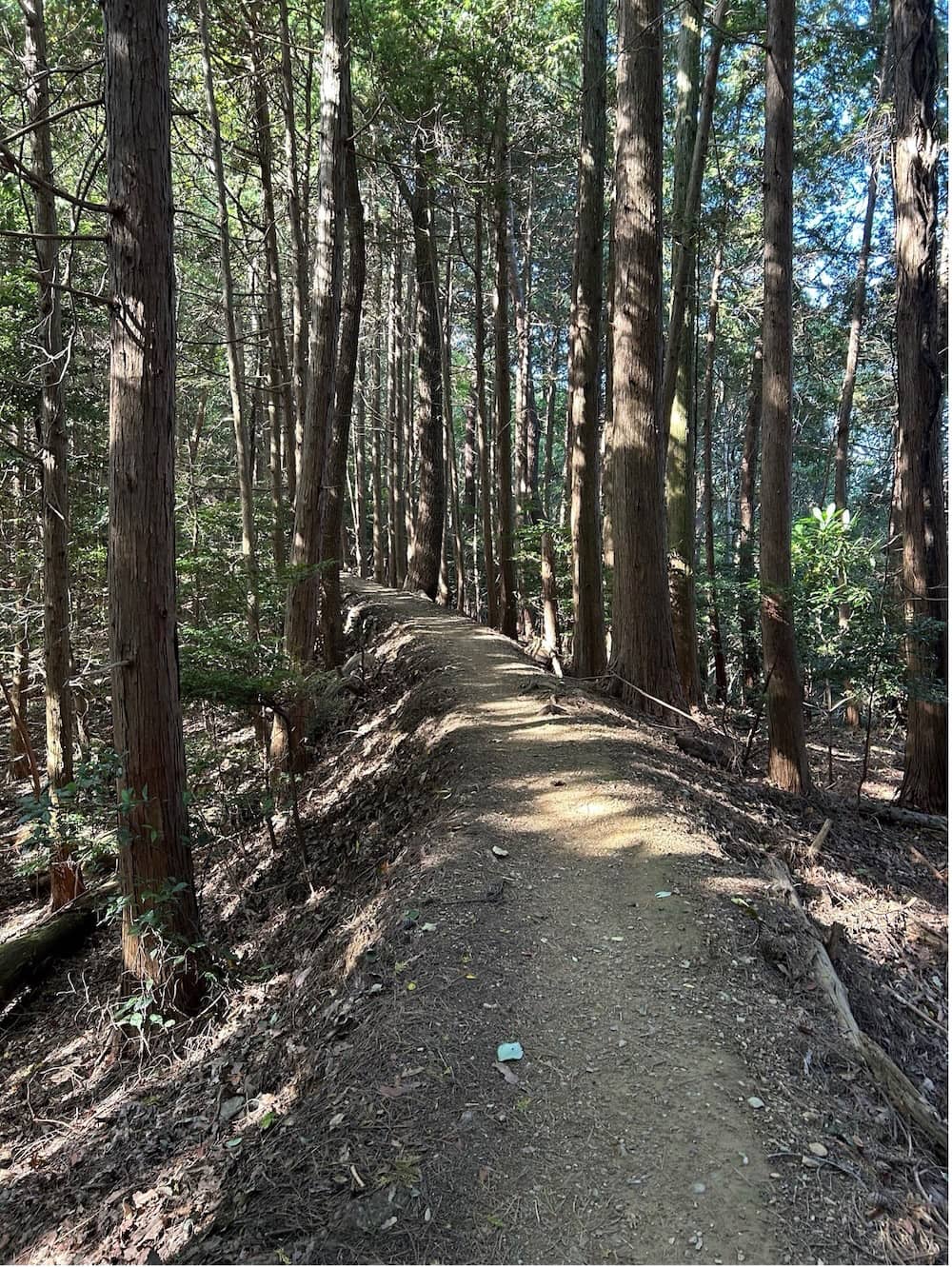
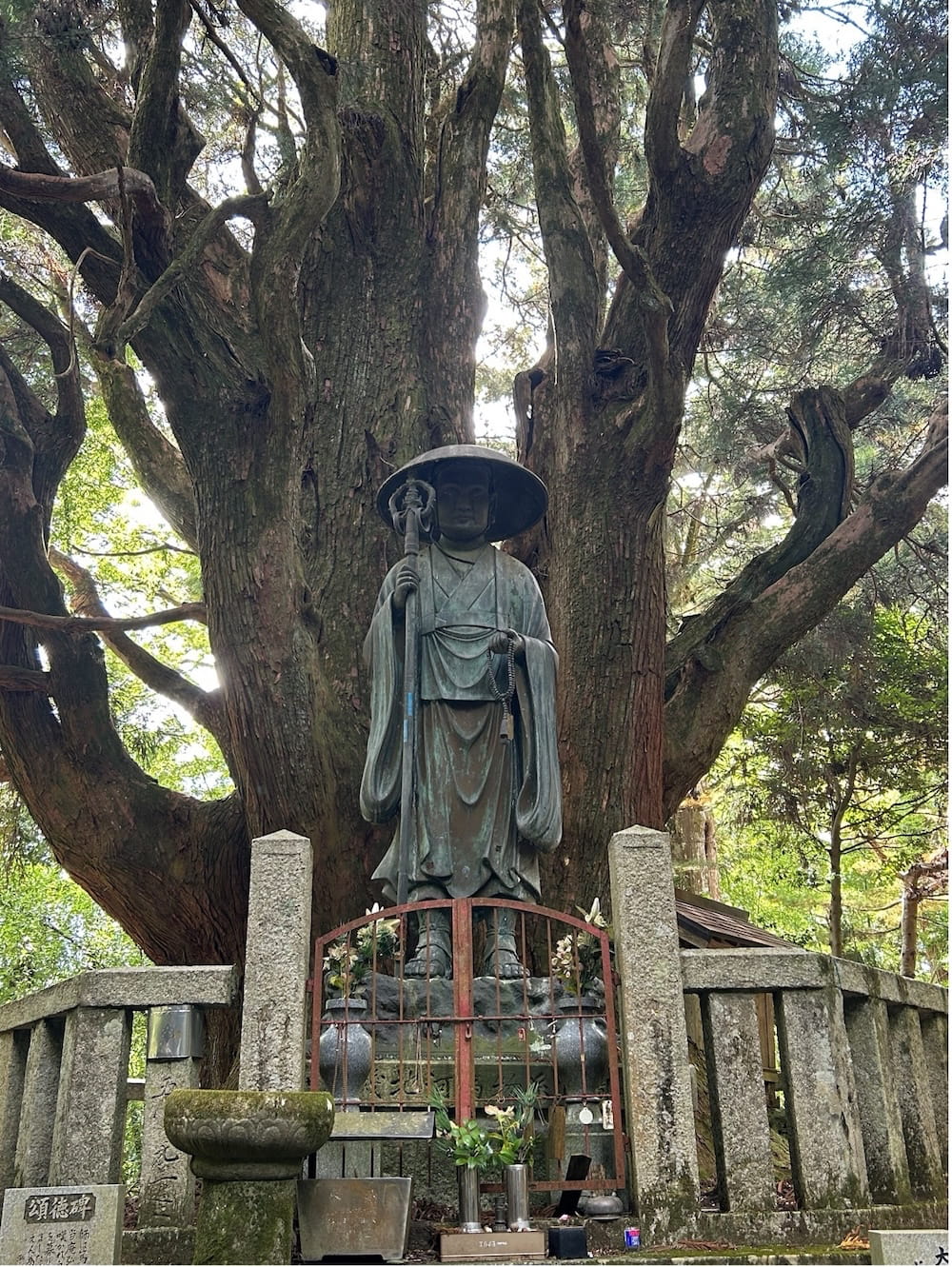
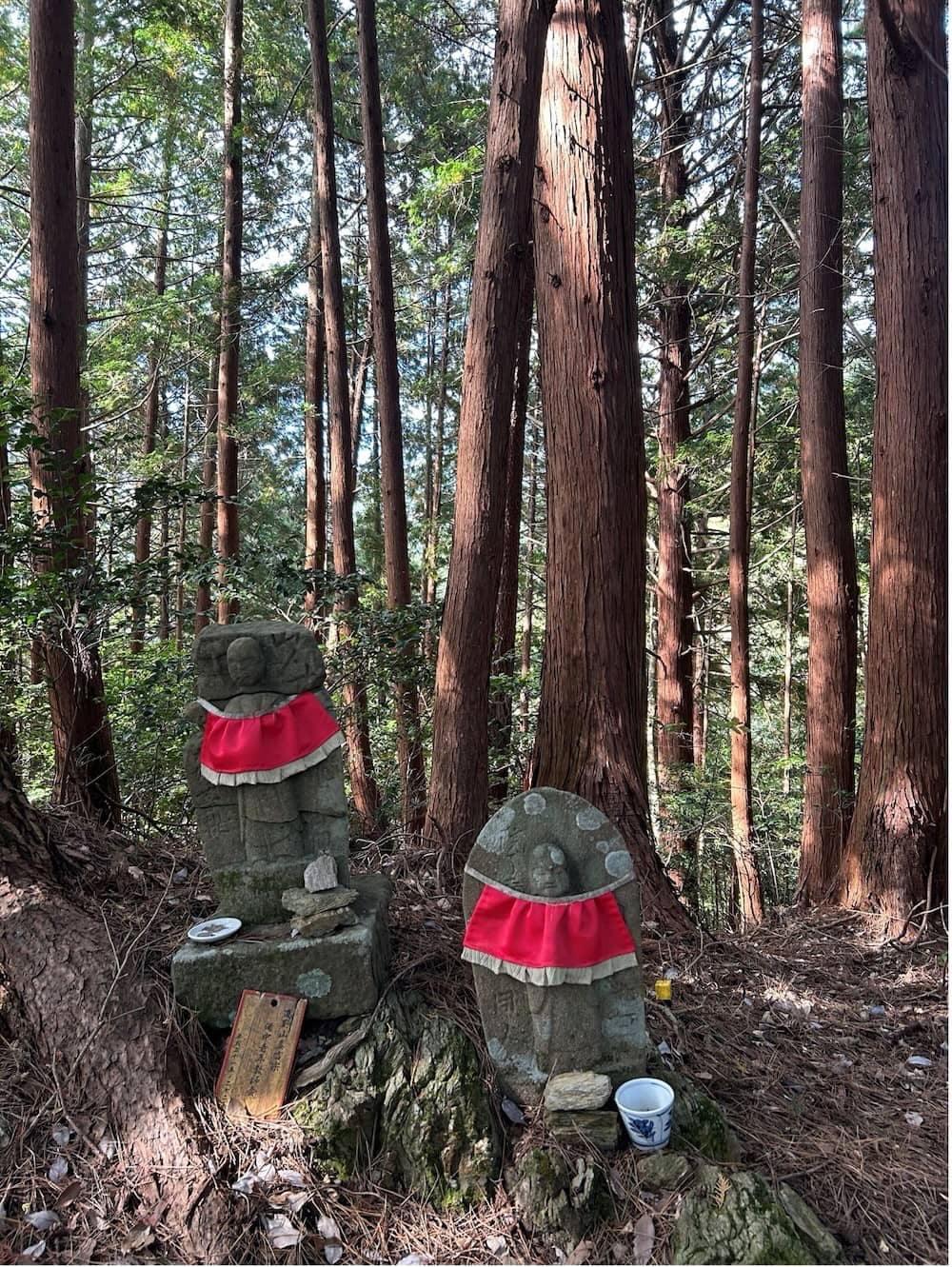
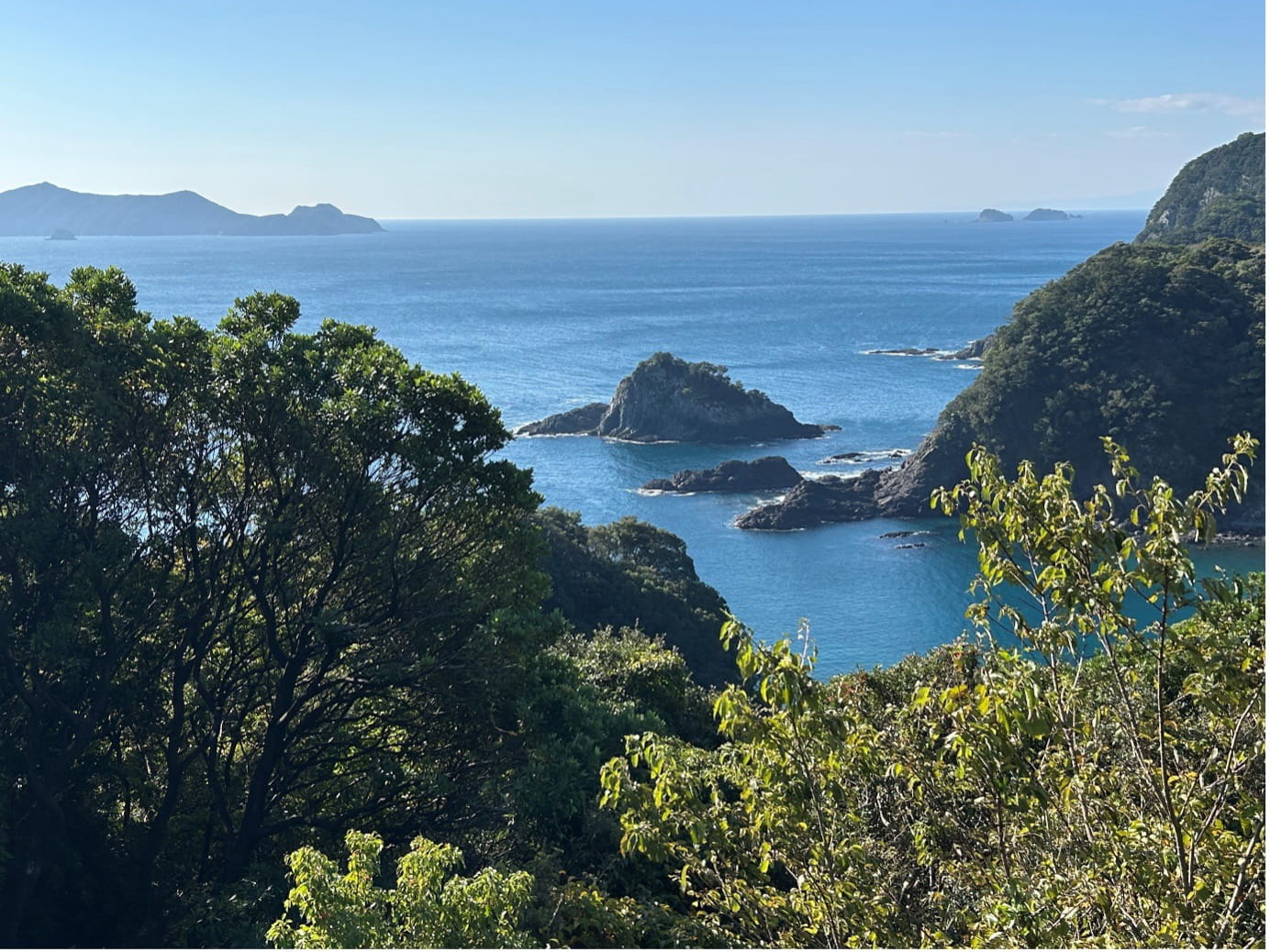
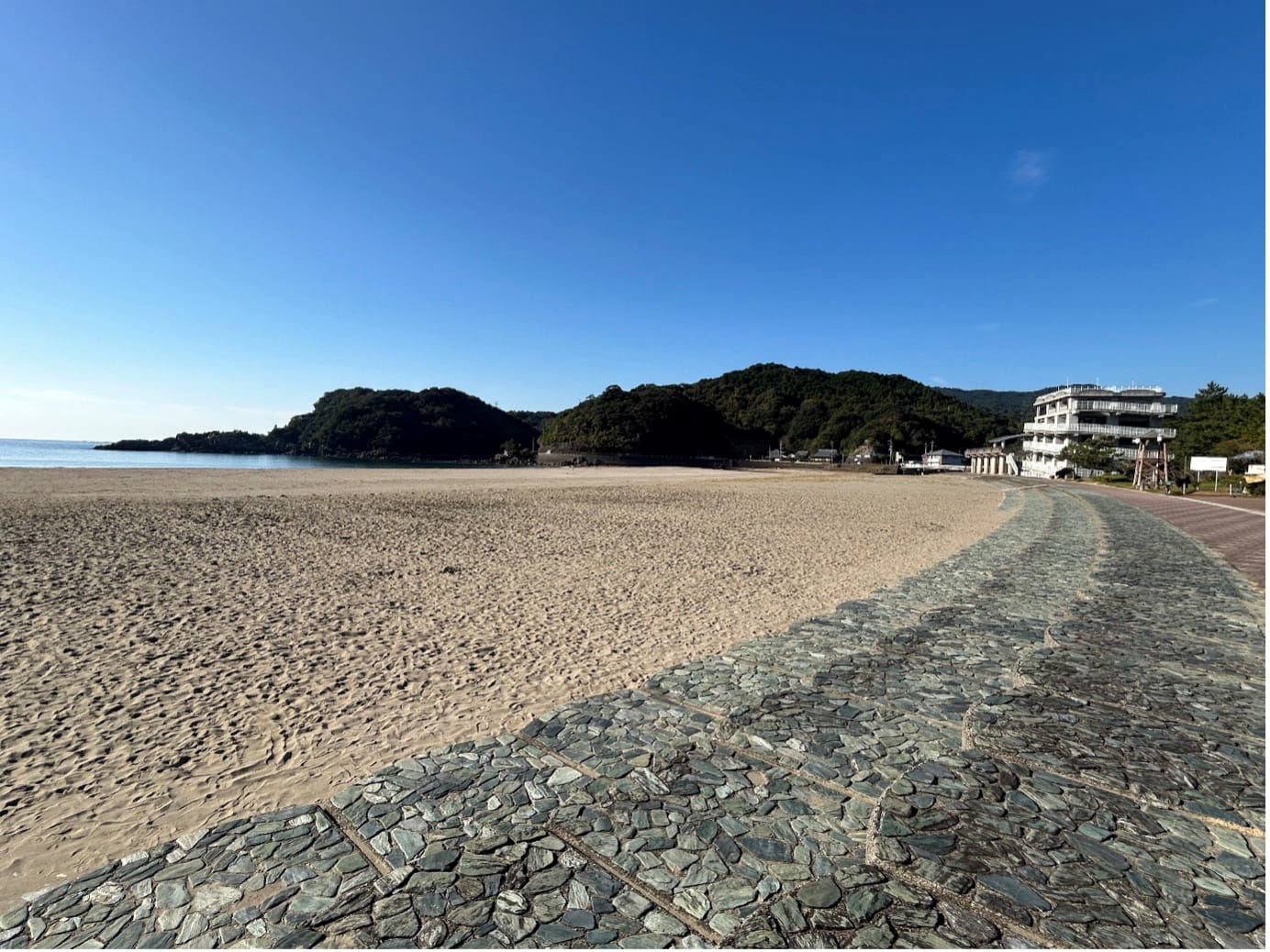
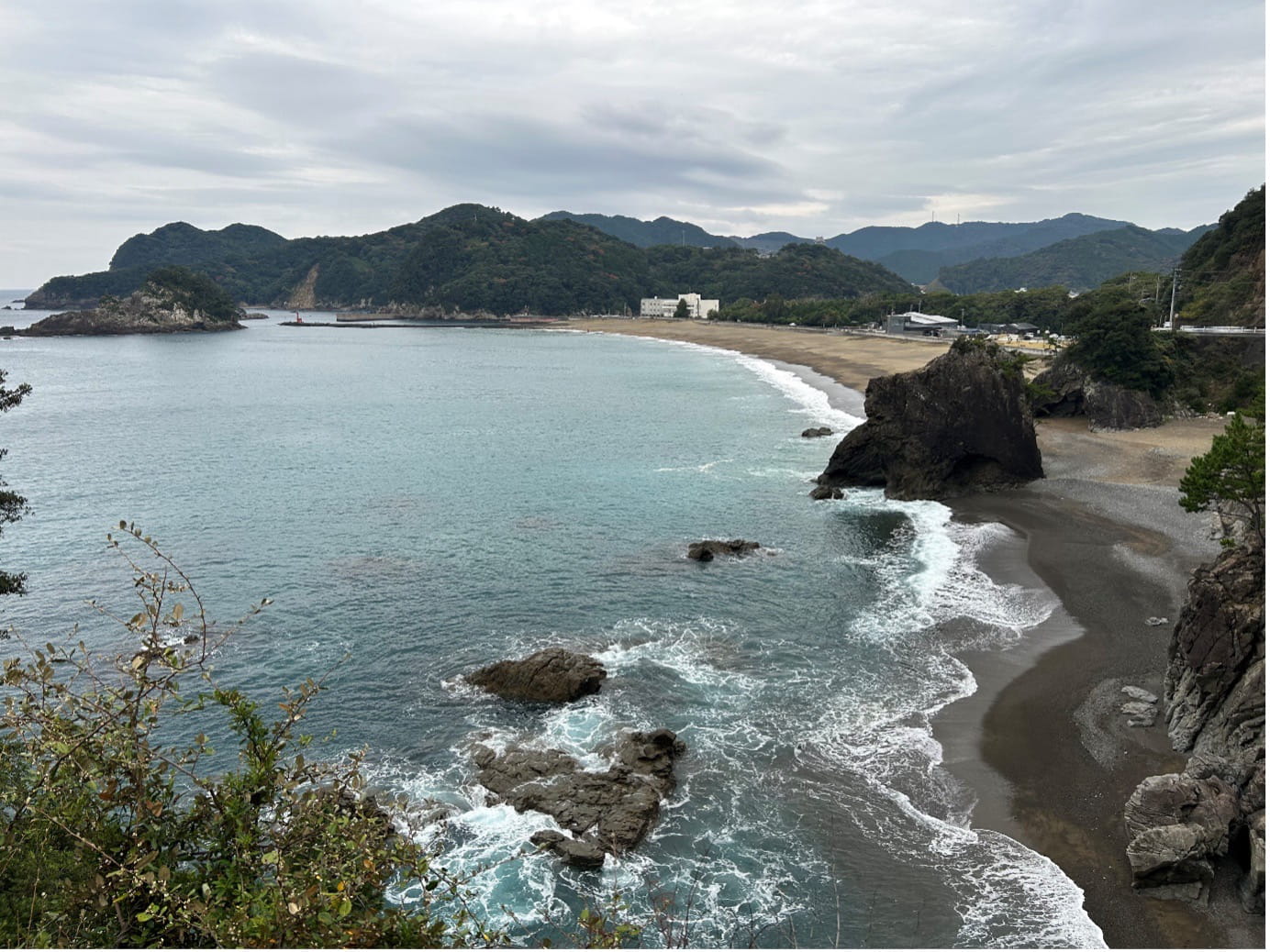
And so the walk goes on in this vein. Mostly village or rural, other times forested. We enjoy traditional meals in our guest houses, on other occasions we forage for ourselves and take meals back to the accommodation. The aim of the day is always the next temple, you often see the same pilgrims at some point and exchange greetings. After eight days of walking we reached the coast at the northern end of the Muroto Peninsula. The old fishing villages add an extra dimension to the walk. You notice the high concrete walls and regular signs indicating tsunami escape routes. A few days of walking along the coast of the peninsula and we finish in the small town of Aki.
Some Final Thoughts.
I think Shikoku has been a great introduction to Japan for a first time visitor. It was a wonderful contrast to the large urban centres of Osaka and Kyoto.
Shikoku is experiencing population decline in its rural areas and this and the pandemic has brought about a decline in accommodation options. Some of the small places now only have a couple of options so research booking in advance is important. Six people would be about the maximum I would consider for a group consequently.
We took only 7kg carry on luggage so added water and snacks to that each day. So we carried around 9kg each day.
It’s a lot of pavement walking and Scott and I ended up with shin splints. Kerry and I had been regularly doing 12-15km days on pavement as preparation though. I think you’ll have to research the right footwear for a walk like this (I thought I had done!). We needed public transport the last few days and fortunately there was plenty.
Nearly all the accommodation places had washers and dryers making lightweight walking very easy.
The food was great. Some of the guest houses catered traditional cuisine, many of the villages had a restaurant and regular family marts meant lunch and snacks were frequently available. It was all very affordable.
There are no fees attached to the pilgrimage. However you can buy the traditional garb and Buddhist accoutrements if you wish. In addition you can make small donation at temples etc. Pilgrims often buy a book that then gets stamped at each temple for about $5.
On the last day I became very unwell, unrelated to the trip. So an extra big thank you to Kerry who got me from Kyoto to the emergency department of the RAH and home again after my short hospital stay!
Planning Resources
Overall I think this is a walk many in the club could organise for themselves and enjoy.
People can use the resources below to plan accommodation. There is a wide variety of hostels, hotels, traditional guest houses (ryokan) and b’n’bs. Some can be booked on line, some over the phone. Some people don’t speak English so that accom is booked on arrival in Japan. Accom staff are always happy to ring ahead to book you accom a few days in advance.
- There is a long standing Japanese route guide that is translated into English, comes with a map and is updated periodically: https://shikoku88-japan.com/en/shikoku-japan-88-route-guide-guidebook/
- Oliver’s book is an interesting extra guide, he also runs one of the Facebook groups: https://shikoku88-japan.com/en/the-88-temples-of-shikoku-oliver-dunskus/
- Tourist bureaus are also keen to promote the pilgrimage: https://partners-pamph.jnto.go.jp/simg/pamph/1014.pdf
- There are the usual Facebook groups, both public and private. I found them very useful and they offer lots or info re: prices, current accom options, transport and trail closures etc: https://www.facebook.com/groups/999427673485587
- A variety of websites, some more useful than others: https://shikoku-tourism.com/en/shikoku-henro/shikoku-henro
- https://www.henro.org/shikoku-pilgrimage
- https://youtu.be/1b1XAjniPaI?si=UCAbvaykW6O8EyrQ important app for resources
Now read: The Walking Trails Support Group
Comments (0)