
In the past year I have been on three ABW walks where leaving faeces behind was not the right thing to do. However, if it wasn’t for Snow Week, the thought would not have even crossed my mind. Yet, despite the unpleasant subject, it’s becoming something that more of us need to consider.
Why? There are probably three environments where it is best to follow ‘Leave No Trace’ principles:
- where the breakdown of urine and faeces is too slow
- where the volume of hikers is too great to avoid damage to the environment
- to be able to use campsites designated for “self-contained” (i.e. RV) campers
In the case of Snow Week it was the obvious choice; to bury faeces in snow would only mean they would thaw out in spring, sit on the surface and contaminate waterways. But it’s not just frozen environments that suffer. I’ve previously mentioned how the greatest disappointment from the Larapinta Trail was the environmental damage caused by shallow toilets scattered literally everywhere near the trail. The arid, rocky environment means that toilet paper does not break down, holes are shallow or non-existent, and urine does not wash away. Then there was Southwest Tasmania, where the fragile landscape above the tree line would have been best left undisturbed.
In the latter two cases, it would have been very easy to carry faeces to the next official campsite where toilets were provided. Closer to home, anyone who’s walked the Flinders Ranges knows how foul it gets around those campsites where there is no toilet. Yanyanna Hut and Buckaringa North are just two bad examples.
So what to do? It’s a daunting proposition when you first confront it, but having now done it, I can tell you it’s no big deal. I’ve even made mistakes just so you don’t have to!
Urine Collection
Thankfully, there aren’t too many times when we will need to carry out our urine. The main reason to collect it will be to minimise going out into extreme environments such as a blizzard. For men, this is a simple process. For women, I am unsurprisingly no expert but I hear that the ‘Shewee’ is the popular choice.
Most of the time, environmental impacts from urine are minimal. But please boys, don’t go close to your campsite and not on the foliage. Plenty of good tent spots on the Larapinta were ruined this way.
Obviously the main concern is faeces: how to collect and store them efficiently without making a terrible mess. This requires three steps…
Collecting Faeces
There are two ways to do this: poop directly into a bag held against the bum, or onto something that can be neatly packaged.
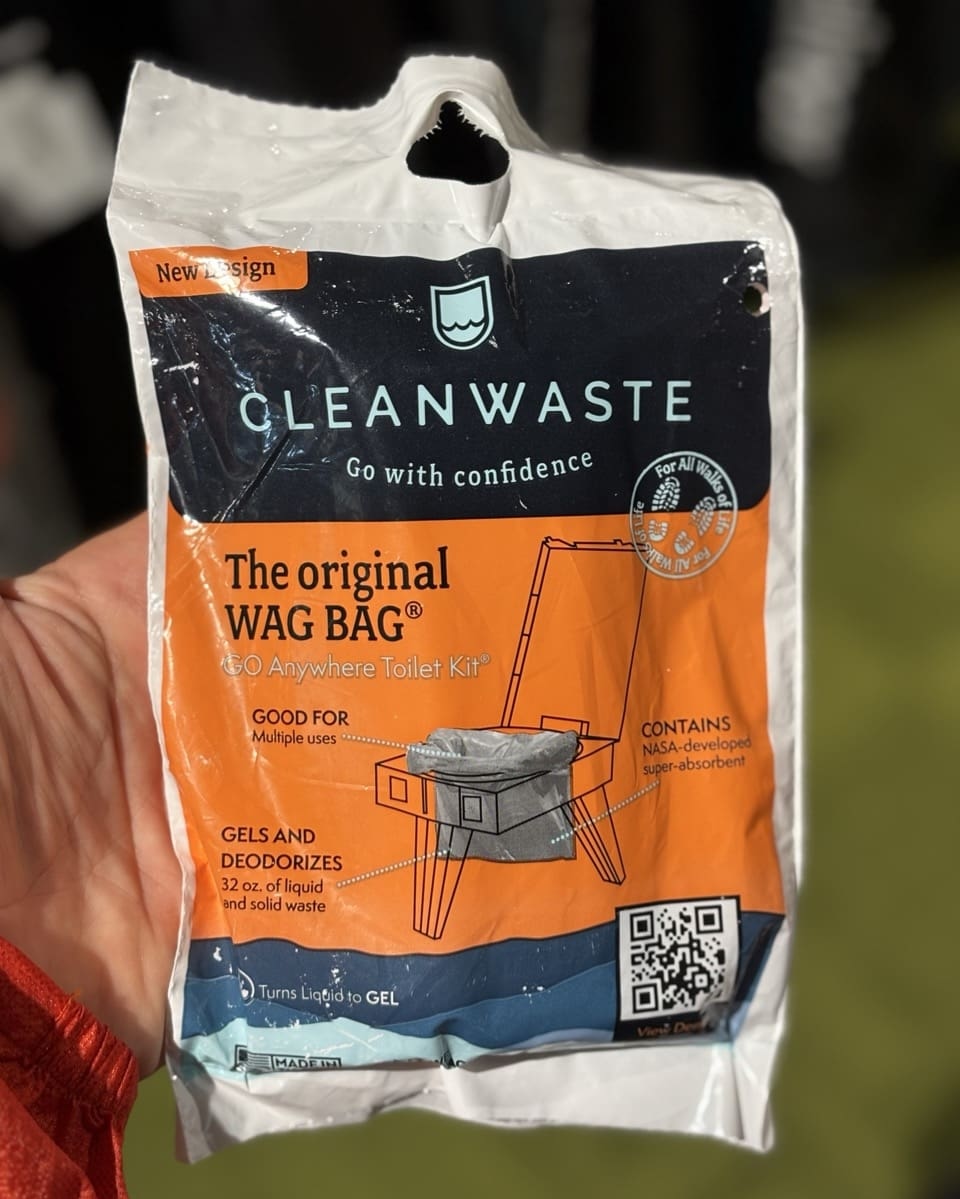
The first way could probably be practiced beforehand in the shower(!), but apparently it’s easy to learn and more comfortable than a deep squat for some folks. Certainly it’s likely to be the neatest. Probably the best bags for this are the green waste bags we get supplied by our local council, as doggy doo bags are a little small. You can also buy specifically made bags that even contain thickening and anti-odour agents.
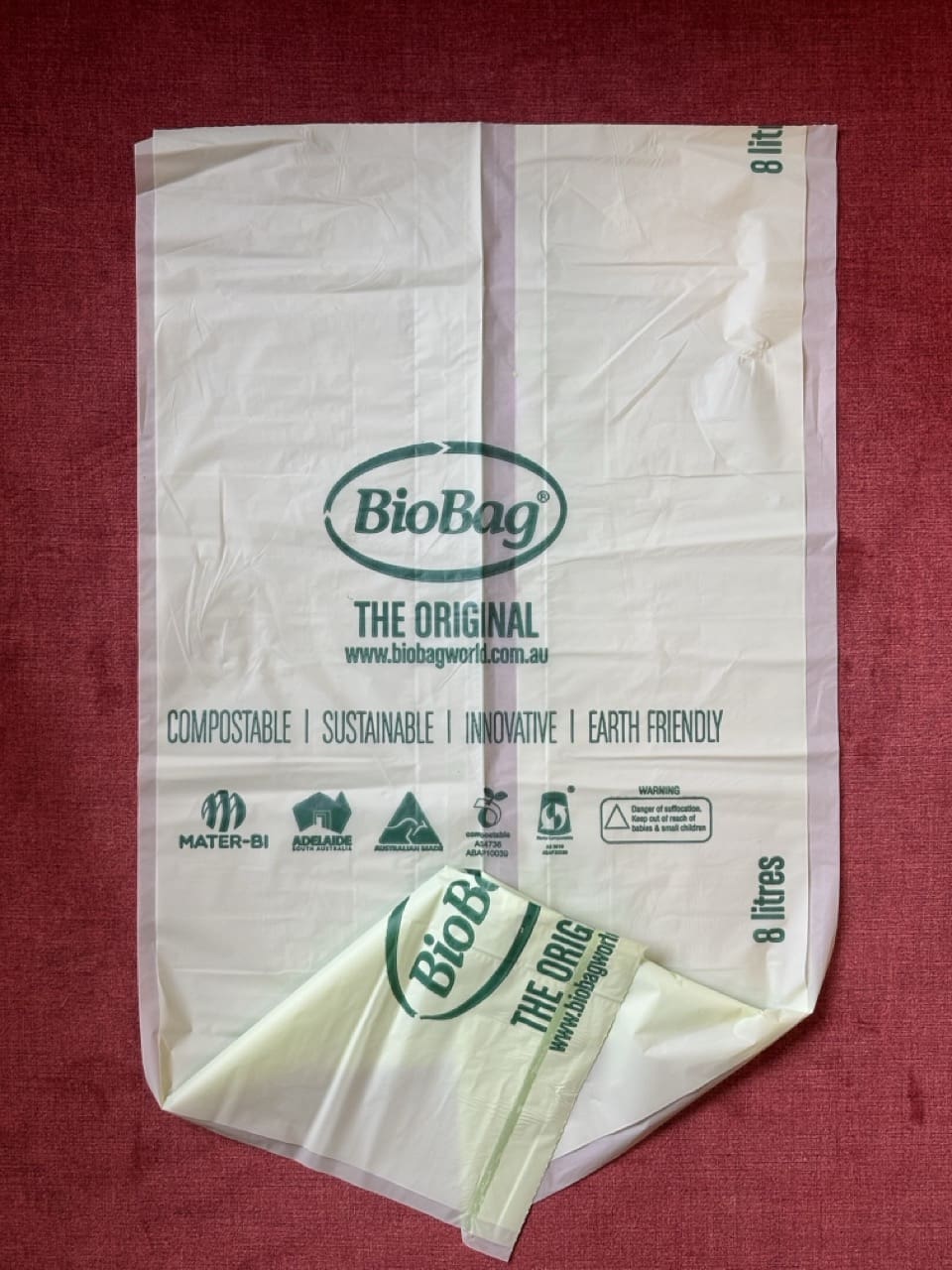
The second way was what I tried, but my mistake was not having something down first. It meant I ended up packing out a lot of unnecessary snow. Next time I’ll use the same green waste bags, but split them along a seam so that they lie flat, then weight each corner down with a small pebble or snowball. Then it’s just a matter of picking them up by the corners, tying and dropping them into another bag.
This is much easier than it sounds. In fact, the bowel cancer screening tests sent to over-50s are basically the same, except that you put the flushable sheet inside the toilet. If I’d known it was so easy I wouldn’t have put it off for so long.
Two tips you’ll discover yourself soon enough are to try to wee first so it doesn’t interfere with the process, and to give yourself more time than you typically might to allow for all the extra faffing about. Next time I intend to snow shovel out a toileting area in advance at each campsite.
Storing & Transporting Faeces
My second mistake with Snow Week was obsessing too much about storage when it wasn’t the real problem. Duh! Of course, it was all going to freeze solid anyway. So much so that my original plan of carrying an old protein powder container turned out to be over-kill. Once they went in there, they weren’t coming out again!
You see, I got my information from forums for multi day rock climbs. For them, whatever is dangling below doesn’t really matter. However for us, carrying a bulky and inflexible container was a real nuisance, and it ended up needing to be thrown away.
Far better is to use a dry bag. Even in warm weather, with double-wrapped poo, and then the dry bag, it’s very unlikely that the smell will get out, and you can hang it easily on the outside of your pack. That prevents the worst of all possible fears: escape! I would also bring one of those fancy mylar bags that’s supposed to prevent odours getting through if I’m out for more than a few days.
That said, I would still use a rigid container if it’s going inside my pack given how we push our gear down. Just avoid it having a narrower opening; think plastic paint buckets or laundry detergent containers. How big should it be? I would allow 2 litres capacity for around a week.
Disposal
My personal view is that only the green waste bags (corn starch) decompose fast enough to be able to go directly into the drop toilets. However, even this is controversial, for example, in Kosci NP they specifically ask you not to do this. On the other hand, the word from two TasParks staff (see Sue’s comment below) is that as long as the bag is compostable and soft, it won’t affect the pumping out process. But beware plastic bags that claim to be ‘biodegradable’ which is as meaningless as ‘sustainable’. These could take years and block whatever is being used to clean out the toilets. Bad karma!
The best way to know if your plastic bags will be appropriate is to test them: fill them with something similar and store them until they have disintegrated. Our green waste bags last around 3 weeks but start leaking in days, hence the extra layer on longer trips!
Safer is to carry it all out and bin it when you get home. Of course, that’s as long as your local waste company doesn’t mind. Personally I can’t see a problem considering how much my cat manages to produce. And in fact why not pack the offending item in cat litter before binning?
To finish, here’s a helpful explainer from Kosciuszko.
fun topic, see also https://theadventuregene.com/a-comprehensive-guide-to-carrying-out-your-waste-when-hiking/
Thank you for this awesome article and having the courage to give packing out of waste a go and for sharing your learnings along the way.
It is so important to talk about this issue and to spread the word about responsible waste management.
The topic seems so overwhelming or awkward for so many but I agree that once you test out and find a method that works, it just makes sense!
I use the Pack Out Outdoors kit which uses compostable baking paper to catch the solid waste and compostable doggy bags to contain the package: added optional poo powder is great for controlling moisture in warmer weather! The POOkit system also has a layered smell and moisture proof system to contain the waste until you get to a drop loo.
TasParks encourages & uses a 100% cornstarch doggy bag but that if anyone felt unsure then the safest option is to use a compostable paper-only system and that this would require another leak proof layer such as a larger cornstarch bag or a second Mylar bag that is witted from the drop loo for reuse and eventual landfill disposal. A couple extra grams is a small cost for doing the right thing.
Also an added tip is that I would definitely not skimp on the use of Poo Powder for warmer climates!
Fantastic article – very happy to see this topic being shared. Well done.